
But before throwing yourself into student life and discovering the city with Zonus, there is some bureaucracy to get out of the way. It is not fun, but it can all be handled quickly if you know what to do. This guide gives you the right order and tips from people who have already been through it, document by document. 1. Tax code
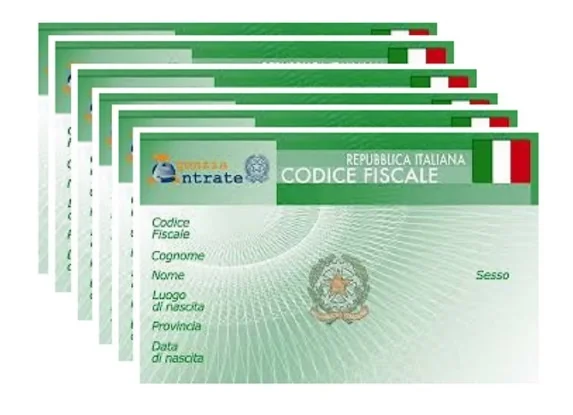
This is the first document to arrange; without it, you are blocked everywhere: no SIM card (except Vodafone), no bank account, no rental contract, and no university enrollment.
How to book (and the trick no one tells you)
Avoid city-center offices: they are the most popular and can have waiting lists of several weeks. Check availability at all six Milan offices, not only the one closest to home. Take the earliest appointment, even if it is farther away. If the appointment is still far off, you can try showing up with all your documents ready and politely ask whether they can fit you in. Many offices help if they are not overwhelmed, especially if you explain that without a tax code you cannot even activate an Italian SIM card to be reachable. It is not guaranteed, but politeness often works better than you might think.
What to bring on the day of the appointment
If everything is ready, they give you the tax code at the office in about 15 minutes, on the same day. It is free and valid forever.
If you are from outside the EU and have not left yet
You can request it from the Italian consulate in your country together with your visa. It is worth doing because this route is no longer available once you arrive in Italy. (Mini guide available in 17 different languages) https://www.agenziaentrate.gov.it/portale/mini-guida-codice-fiscale-per-stranieri
2. Residence permit (only if you are from outside the EU)
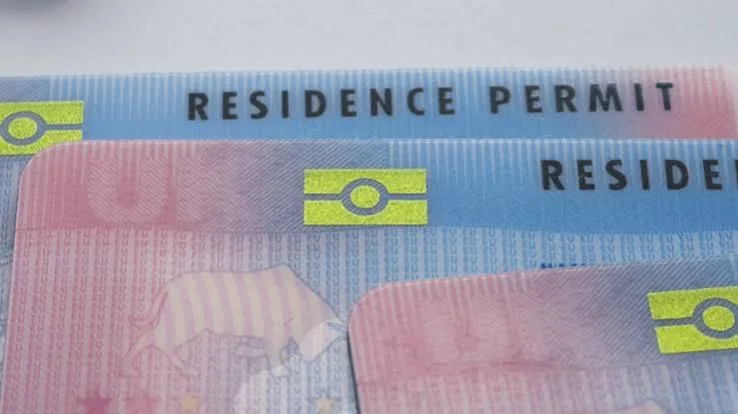
If you come from an EU country, you do not need it, so move on to the next document. If you are from outside the EU, however, it is compulsory and has a strict deadline: eight working days after entering Italy. Not eight calendar days—eight working days.
How to do it
Start with the Postal Kit, available at post offices or your university's International Student Desk. Two tips before writing: enter an Italian number, because updates arrive by SMS. The tax code is not compulsory on the form if you do not have it yet; that is not a problem, so continue anyway. Then:
- Complete forms 1 and 2 in block capitals with a black pen. Do not use correction fluid: if you make a mistake, ask for a new copy; the kit always contains a few extras.
- Do not sign or date the forms at home. The final fields must be signed in front of the counter clerk, who must see you sign in person. If you arrive with everything already signed, they will make you start again.
- Submit the kit, pay the payment slip, and they give you a receipt. Keep it carefully: it serves as a temporary permit until your appointment. With it, you can already rent a home, open a bank account, and re-enter Italy after a trip.
After submitting it, you receive an SMS or letter with a date and time for photo identification and fingerprints at Milan Police Headquarters, Via Montebello 26. Milan handles one of the highest volumes of applications in Italy, so be patient between submitting the kit and the appointment; it can sometimes take months.
What you need:
Once everything has been submitted, they give you Form 22A Receipt and the date of your Police Headquarters interview for photos and fingerprints. Always keep it with you: until the actual permit arrives, that receipt is your legal status in Italy and you need it for everything.
What to bring to Police Headquarters
3. General practitioner and health card
If you are from the EU
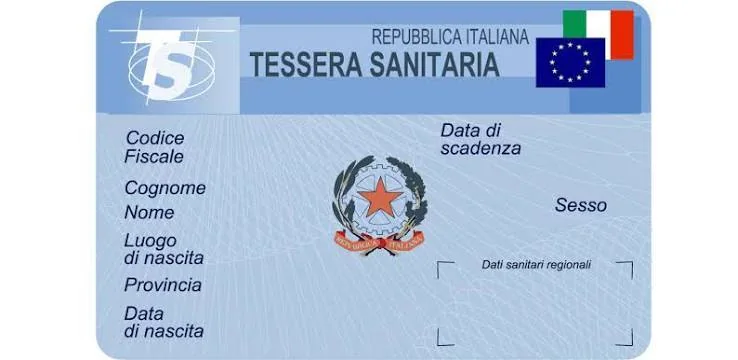
You already have your country's European Health Insurance Card (EHIC), which covers essential care in Milan too. If you are staying for a long period and still want a general practitioner here, you can register with the National Health Service by bringing your tax code, identity document, and documentation showing why you are entitled to do so (university enrollment, employment contract, etc.).
If you are from outside the EU
Here is a detail that few people explain clearly: with a residence permit for study purposes, you do not qualify for compulsory, free National Health Service registration. You must register voluntarily, which carries a fee; in recent years the cost has risen considerably and amounts to several hundred euros a year (check the current amount with ATS, as it changes often).
For this reason, many non-EU students choose private health insurance instead, which is often cheaper for one year of cover. You need one of the two for the residence permit in any case, so it is worth comparing the costs before choosing.
How to register (if you choose the National Health Service)
Go to the “Choice and Revocation” desk of the ATS Milan office responsible for your place of residence, with:
How to choose a doctor
At the same Choice and Revocation desk, bring your health card, identity document, and tax code, and choose from the doctors available in your area.
Changing is free and usually quick. If the doctor you want has a full list, ask at the desk whether there are alternatives in your area.
Save these in your contacts
- Emergency: 112
- Non-urgent problems outside normal hours (evenings, weekends): 116117
In short, if all this feels like too much (we understand—Italian bureaucracy is not for everyone), no problem: you can always turn to Caf Unsic at Viale Brenta 8, an official Zonus partner. They guide you step by step through every procedure (tax code, residence permit, health registration, everything), so you can be sure you make no mistakes and do not waste valuable time that you could spend enjoying Milan. And the best part? As a Zonus student, you receive a 10% discount on every procedure. Zero stress, zero anxiety about filling in the wrong form.
Related guides: student housing in Milan https://www.zonus.it/en/articles/cerchi-casa-a-milano-universita · transport and ATM Young https://www.zonus.it/en/articles/quanto-costa-muoverti-milano-studente · events and meeting people https://www.zonus.it/en/articles/milano-eventi-conoscere-persone